Access Controllers, Readers & Accessories
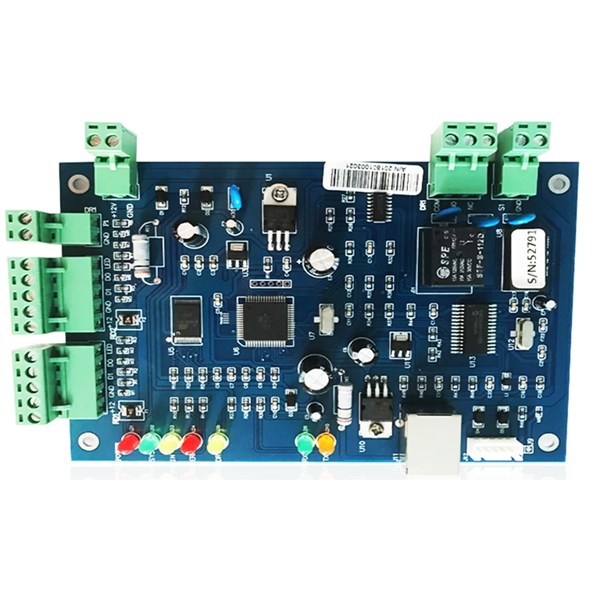
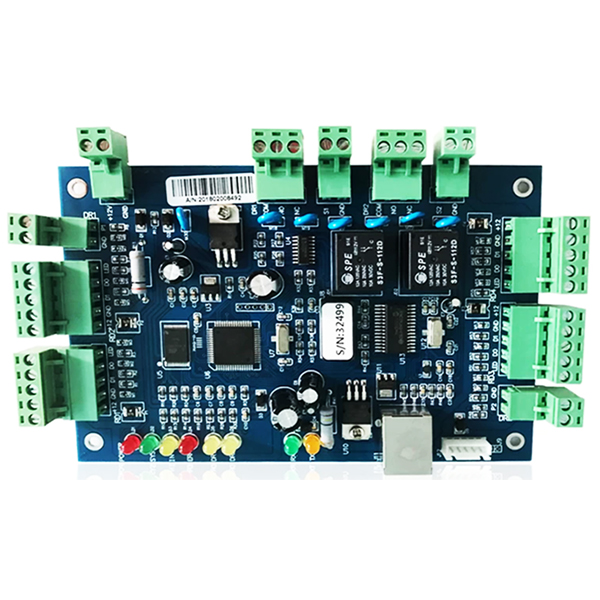
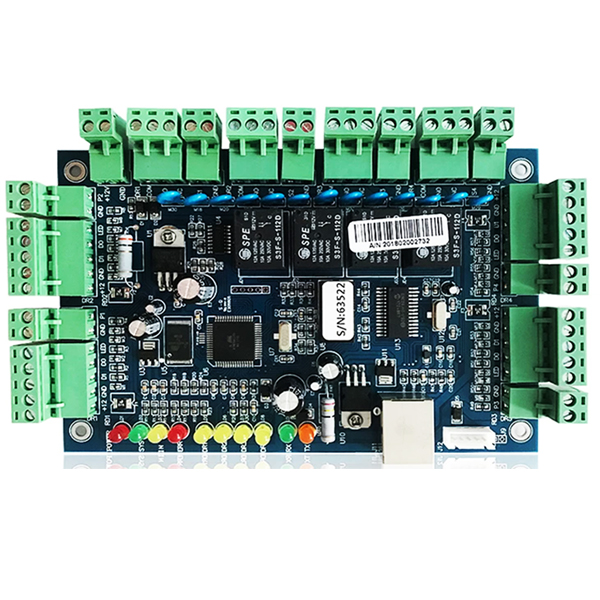
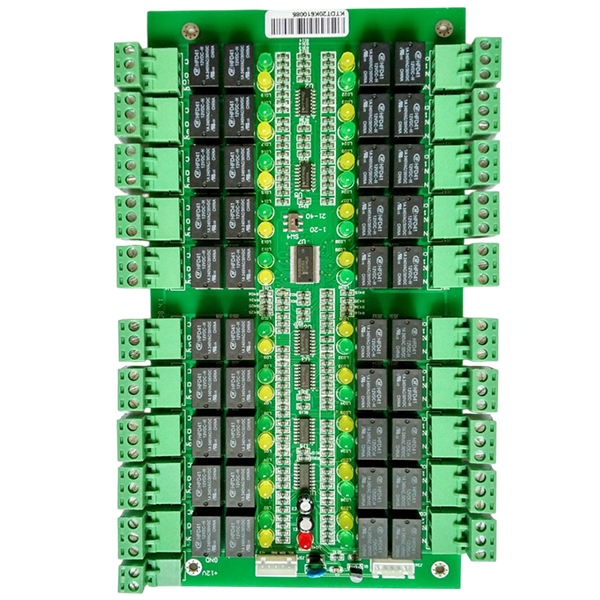
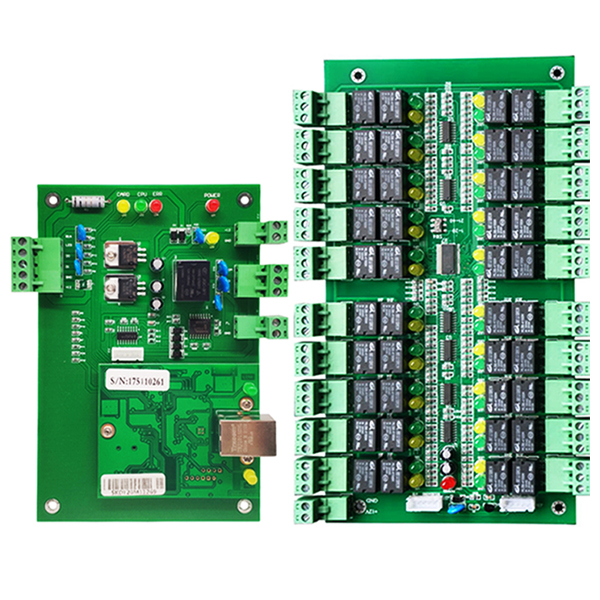
Serial main and sub-controllers: All door hardware is connected to sub-controllers. Sub-controllers usually do not make access decisions, and instead forward all requests to the main controllers. Main controllers usually support from 16 to 32 sub-controllers. TCP/IP Modules/interfaces are used as communication interface to the PC to transfer the logs of entry and exist. Work load on the host PC is significantly reduced, because it only needs to communicate with a few main controllers. The overall cost of the system is lower, as sub-controllers are usually simple and inexpensive devices.
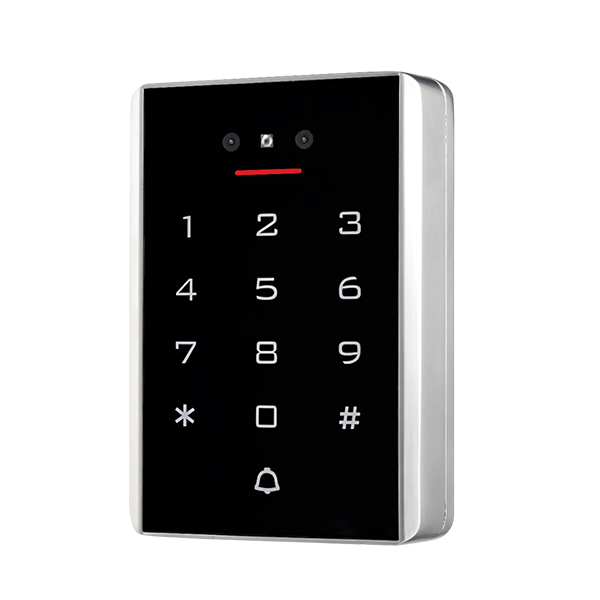
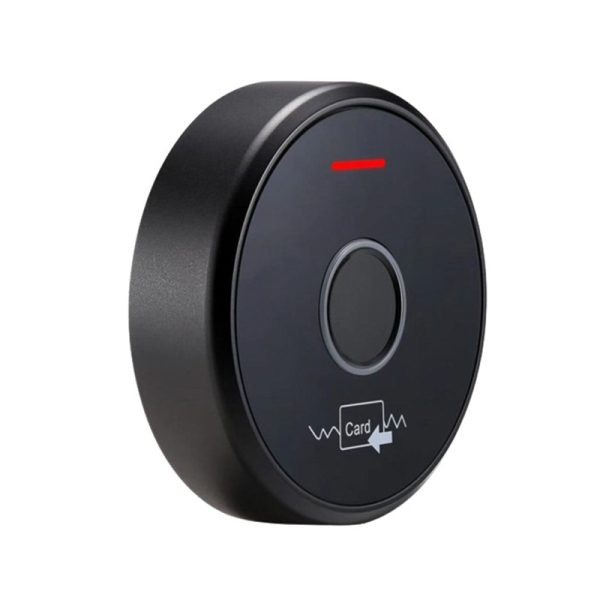
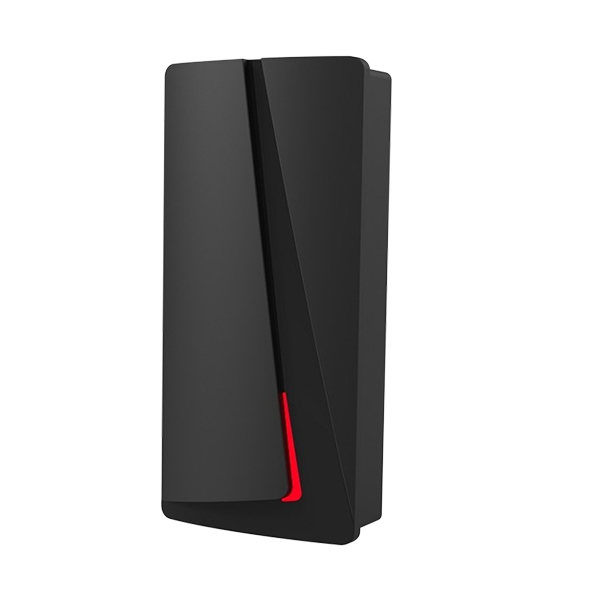
Non-intelligent, Semi Intelligent and Intelligent readers: Simply read the card number or PIN, and forward it to a control panel. In case of biometric identification, such readers output the ID number of a user. Typically, Wiegand protocol is used for transmitting data to the control panel, but other options such as RS-232, RS-485 and Clock/Data are not uncommon. This is the most popular type of access control readers. Examples of such readers are RFIF, Mifare, HID, UHF long range, etc.


F-P001M
MIFARE Wiegand card reader is a device that reads 13.56 MHz high-frequency MIFARE credentials and transmits the data to a door controller using the Wiegand interface. This setup is the industry standard for connecting modern, secure smart cards to both legacy and new access control panels
Wiegand Interface: Once the card is read, the device converts that information into a binary string (typically 26-bit or 34-bit) and sends it over two data wires, Data0 and Data1.
Indication: LED and electronic buzzer.
F-P001C
EM, MIFARE, and HID combo card reader is a multi-technology device designed to read three of the most common RFID standards simultaneously. These readers are essential for facilities transitioning between old and new security technologies or managing a workforce with mixed credentials.
125 kHz (Low Frequency): Decodes both EM-Marine (global standard) and HID Prox (proprietary corporate standard). 13.56 MHz (High Frequency): Decodes MIFARE Classic, MIFARE DESFire, and often NFC-based mobile credentials.
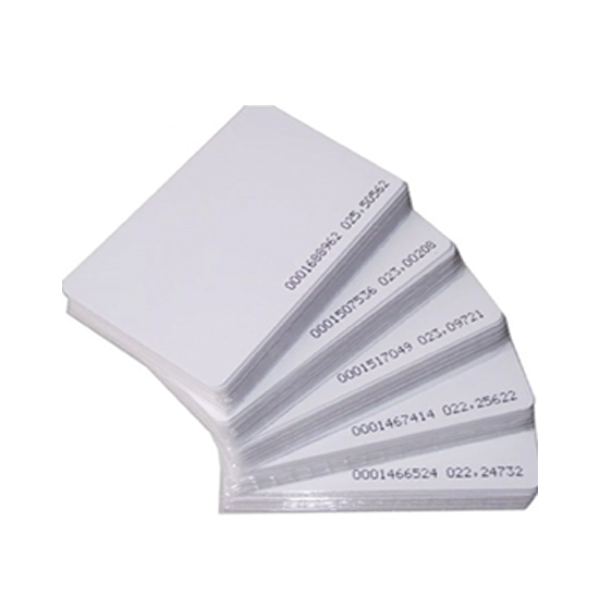
FD-5C
EM CARDS, are the most common type of low-frequency (125 kHz) RFID proximity cards. They are “read-only” cards that simply broadcast a unique ID number to a reader to grant access. Because they are inexpensive and durable, they have been the global standard for basic security for decades.
Frequency: 125 kHz (Low Frequency).
Read Range: 2 cm to 10 cm (depending on the reader).
Clamshell Card: Thick, rigid plastic (1.8mm). Usually includes a slot for a lanyard. These are the most durable and cheapest version.
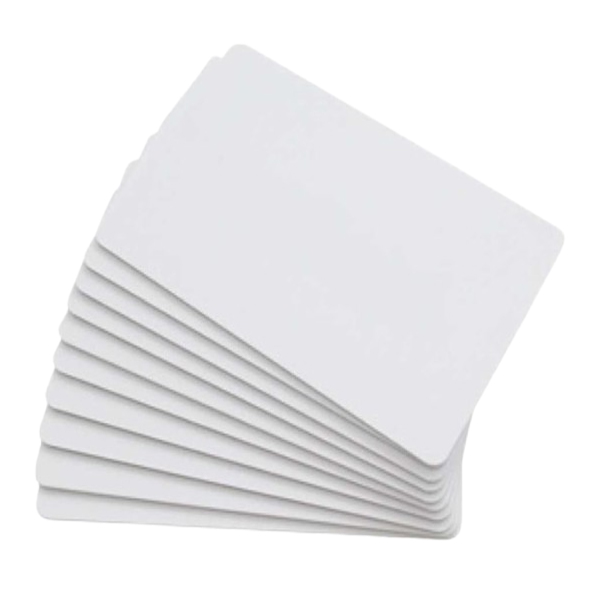
FC-6C
MIFARE Classic cards are the world’s most widely used high-frequency (13.56 MHz) RFID smart cards. They are primarily used for “multi-application” scenarios where a single card needs to handle identification, access control, and small payments.
Operating Frequency: 13.56 MHz (ISO/IEC 14443 Type A).
Memory Lifespan: Supports up to 100,000 write cycles with data retention for up to 10 years. Reading Distance: Operates at a range of 2.5 cm to 10 cm from the reader.
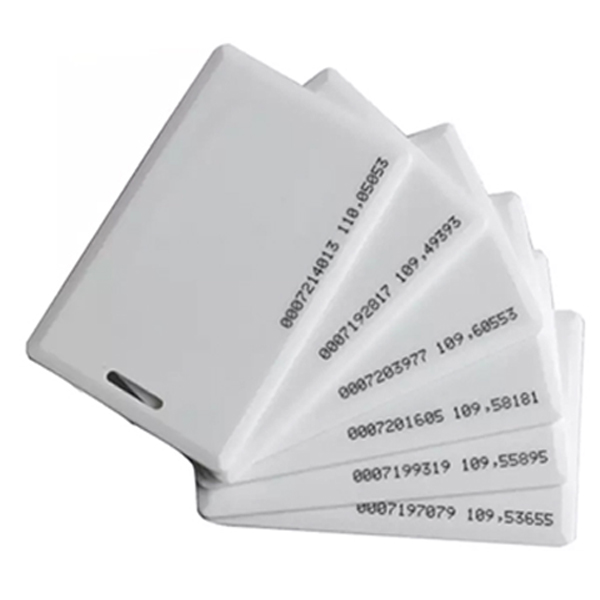
FD-5T
EM Thick Cards (commonly known as Clamshell Cards) are the most durable version of the 125kHz proximity card. They are roughly 1.8mm thick—about twice the thickness of a standard credit card—and are designed for rugged, long-term use.
Durability: Made of hard, injection-molded ABS plastic that doesn’t bend or snap easily.
Slot Punch: Almost all thick cards come with a pre-punched vertical slot, allowing them to be attached directly to lanyards or badge reels without a separate holder.
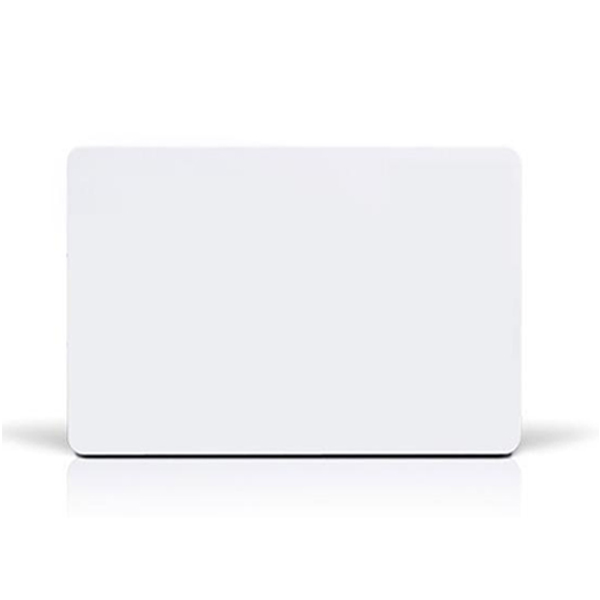
EM-MIFARE
EM MIFARE Combo Card (also known as a dual-frequency or hybrid card) contains two separate RFID chips and antennas inside a single plastic card. This allows one card to work with two completely different systems: a low-frequency (LF) 125kHz EM reader and a high-frequency (HF) 13.56MHz MIFARE reader
Printability: Most versions feature a glossy PVC surface suitable for thermal, retransfer, or inkjet ID card printers. Standard Size: Usually follows the ISO CR80 standard (85.6 x 54 mm), fitting standard wallets and ID holders.
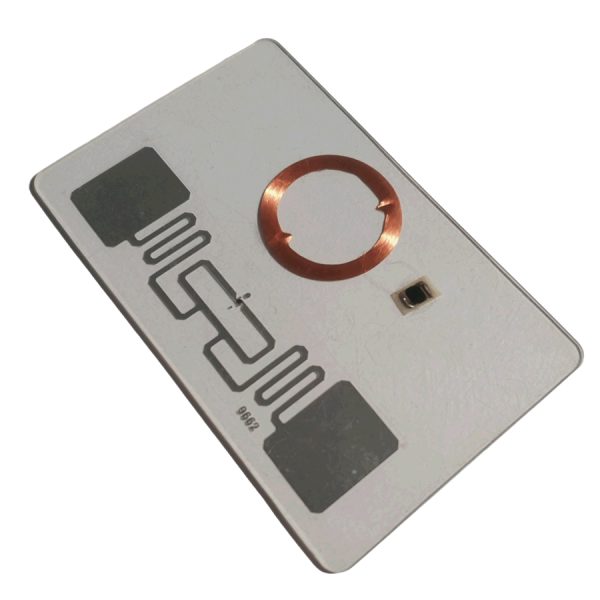
UHF-EM
UHF EM Combo Card is a dual-frequency hybrid card that combines Ultra-High Frequency (UHF) for long-range tracking and 125kHz (EM) for short-range proximity access.
The card contains two separate antennas and two chips that do not interfere with each other:
UHF (860–960 MHz): It can be read from 3 to 15 meters away, making it perfect for hands-free vehicle identification or warehouse logistics.
EM (125 kHz): It requires a “tap” or close proximity (0–10 cm) for standard building entry.
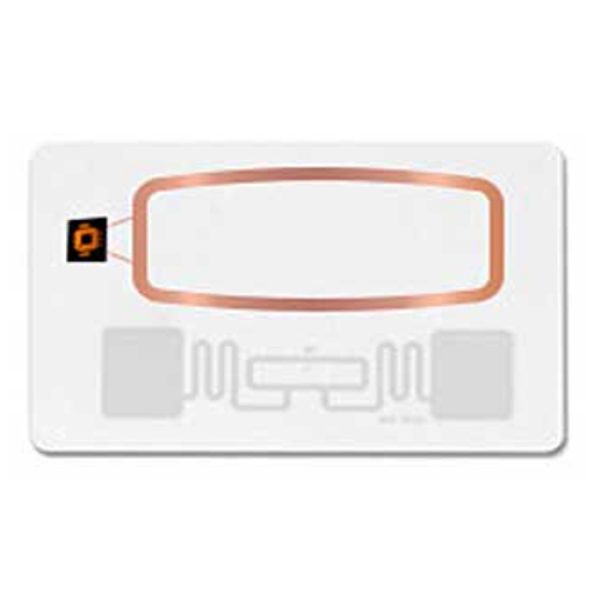
UHFMF
UHF MIFARE Combo Card is a dual-frequency hybrid card that combines Ultra-High Frequency (UHF) for long-range tracking (like vehicle gates) and 13.56MHz (MIFARE) for secure, short-range data applications (like office entry or payments)
This is the “all-in-one” solution for people who need to open a parking gate from their car and then tap into an office door with the same card.
The MIFARE side is often NFC-compatible, allowing it to interact with mobile apps, while the UHF side handles industrial-scale tracking.
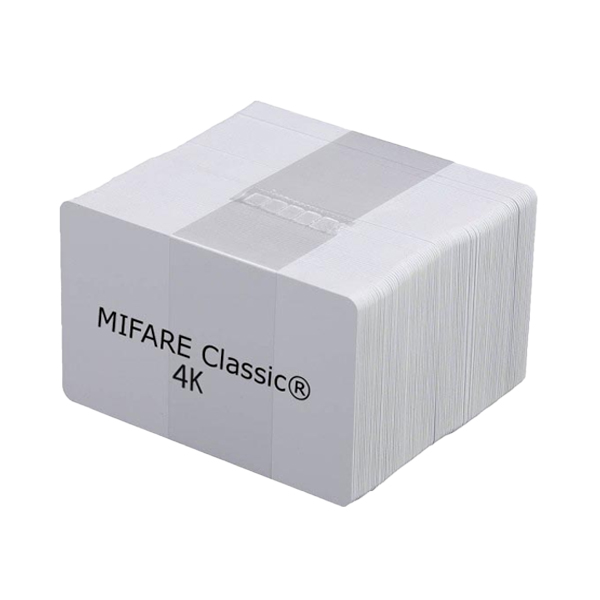
FC-6K4
A 4K MIFARE card (specifically the MIFARE Classic 4K) is an upgraded version of the standard 1K card, offering four times the data storage capacity. It is a 13.56 MHz high-frequency RFID card primarily used for complex systems that require multiple applications or more detailed user data on a single credential.
Memory Capacity: 4 KB (4096 bytes) of EEPROM.
Sectors 0–31: 4 blocks each (similar to the 1K card). Sectors 32–39: 16 blocks each, allowing for larger data storage per sector.
Reading Distance: Typically up to 10 cm
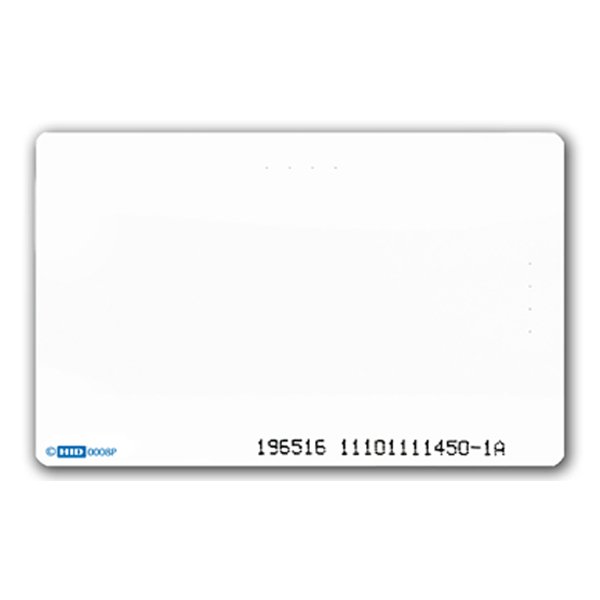
F-HID
“HID Classic” typically refers to the HID iCLASS line, which was HID’s first major move into 13.56 MHz high-frequency technology. It was designed to be a more secure successor to the old 125kHz Proximity (Prox) cards.
Corporate Access: Standard employee badges for office entry.
Logical Access: Used for “tap-to-sign-in” on secure computers or printers.
Time & Attendance: Tracking employee hours via wall-mounted readers.
Standard Size: Standard CR80 credit card size, often printable for ID badges.
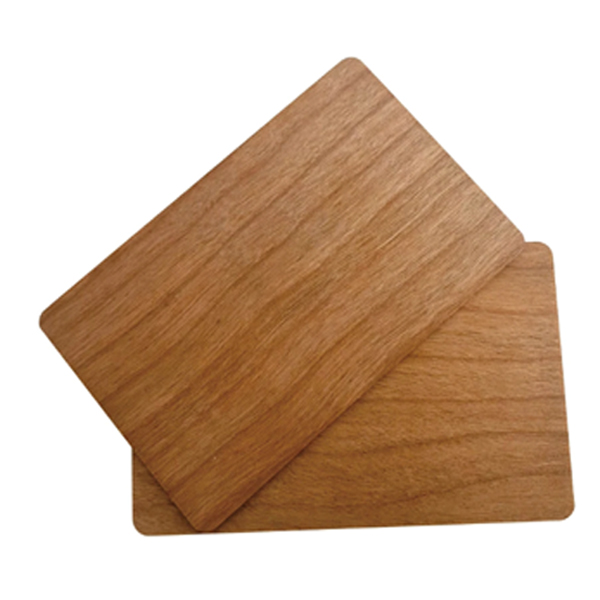
FD-5W
A wooden 125kHz card is an eco-friendly proximity tag made from sustainable materials like bamboo or walnut. That are preferred by high-end hotels, resorts, and eco-conscious businesses for their premium aesthetic.
Material Variety: Available in several natural wood types, including Bamboo, Black Walnut, Cherry, Maple, Sapele, and Beech.
Eco-Friendly: Fully biodegradable and recyclable, making them a popular alternative to plastic.
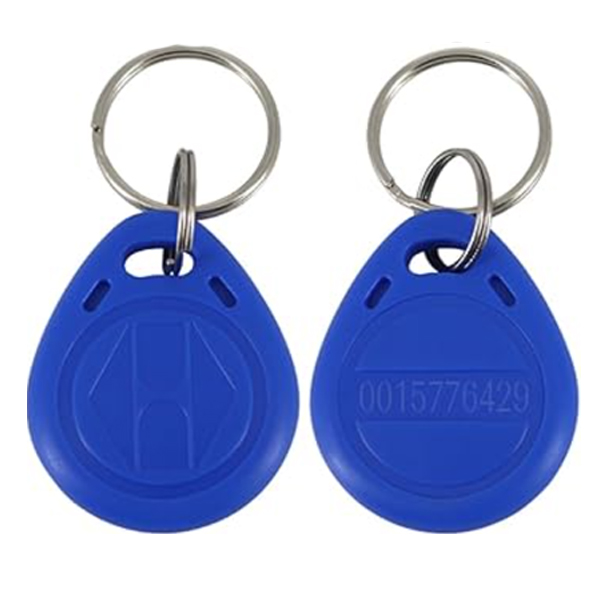
FD-3
A 125kHz keychain card (often called a “proximity tag” or “key fob”) is a low-frequency RFID device primarily used for basic access control
Operating Frequency: 125 kHz (Low Frequency).
Read Range: Typically 0–10 cm (approx. 2–4 inches).
Data Capacity: Usually just a 64-bit unique ID.
Lifespan: Passive technology (no battery) with a write endurance of approximately 100,000 cycles
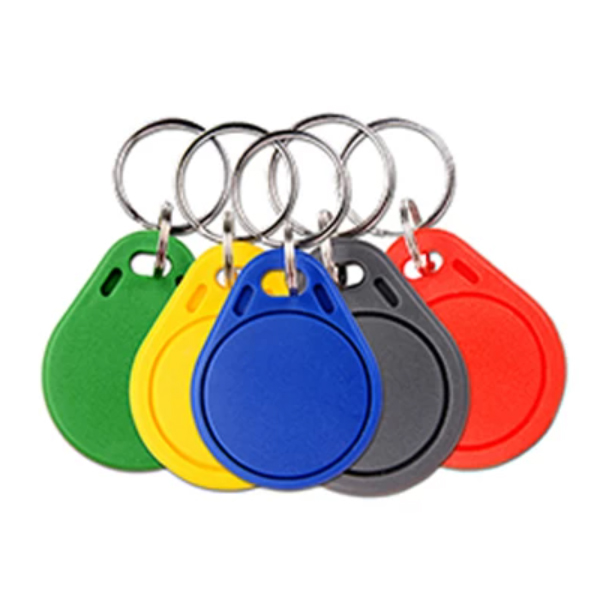
FD-C3
The 13.56 MHz keychain card is a High-Frequency (HF) RFID tag that supports both identification and data storage.
Operating Frequency: 13.56 MHz.
Memory Capacity: 1 KB (1024 bytes) of EEPROM, typically organized into 16 sectors.Protocol: ISO/IEC 14443 Type A.
Lifespan: Passive technology (no battery) with a write endurance of approximately 100,000 cycles
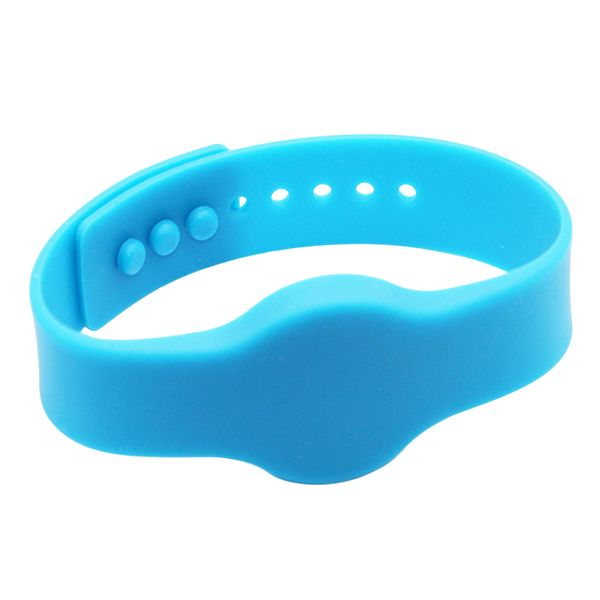
F-BEM
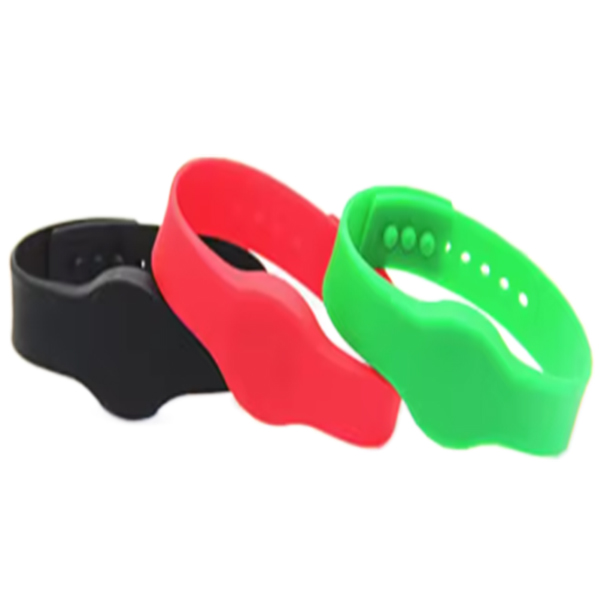
Weatherproof (IP68 Rating) Mifare (125Khz) Clap Wristband
Frequency: 125 kHz (Low Frequency). Read Range: Typically 0–10 cm, depending on the reader.
Materials: Usually made of waterproof, durable silicone or ABS plastic to protect the internal antenna Fitness & Leisure: Managing locker access or gym entry. Corporate: Employee time-tracking and office building entry. Events: Quick identification for festival or conference attendees.
F-BMF
Weatherproof (IP68 Rating) Mifare (13.56Mhz) Clap Wristband
Technology: Typically embedded with the MIFARE Classic 1K (13.56 MHz) chip,
providing 1KB of memory for data storage.
Durability: Fully waterproof (often rated IP68) and can withstand temperatures from -30°C to over 200°C.
Functionality: Acts as a proximity identifier for door entry, locker access, and cashless payments.